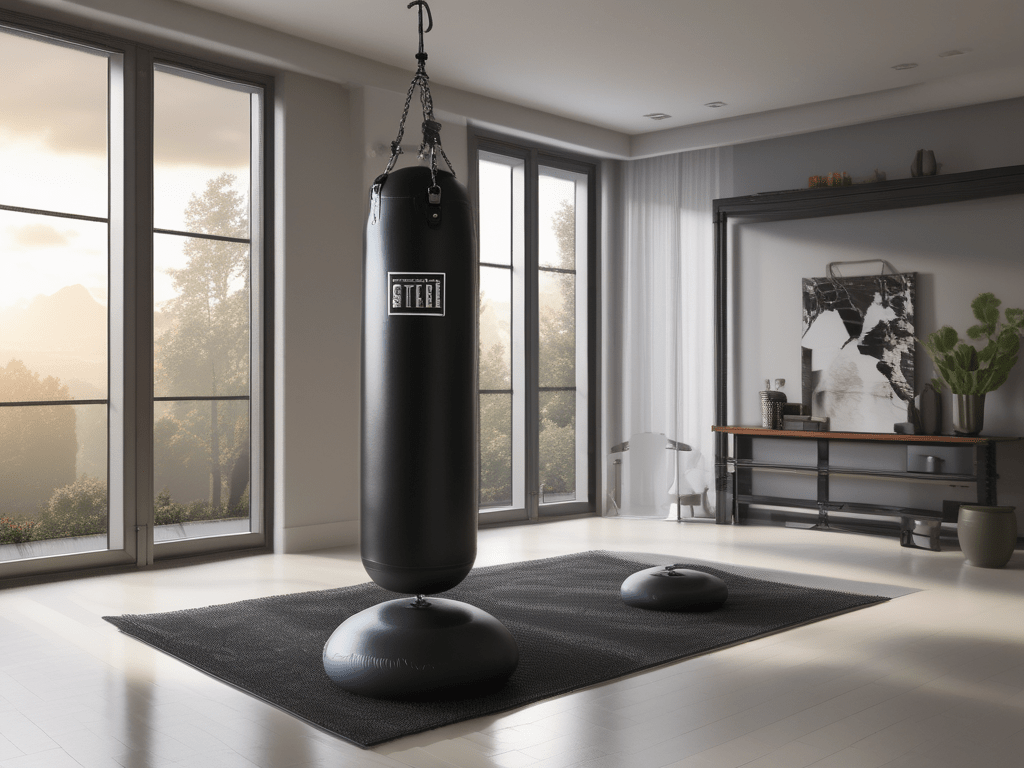
Choosing the right punching bag is crucial for optimizing your training, whether you’re a seasoned boxer, a martial arts enthusiast, or someone looking to get a good workout at home. Two of the most popular types of punching bags are free standing and hanging punching bags. Each has its own set of advantages and disadvantages, catering to different needs and training styles. In this blog post, we’ll delve into the pros and cons of both types to help you make an informed decision.
Free Standing Punching Bags
Free standing punching bags are designed with a sturdy base that can be filled with water or sand to keep them stable. They are ideal for those who need a portable and space-efficient training tool.
Pros
1. Portability
One of the biggest advantages of free standing punching bags is their portability. They can be easily moved around, making them perfect for home gyms or small spaces where flexibility is required. If you need to clear space for other activities, you can simply roll or slide the bag to another location.
2. Easy Setup
Unlike hanging bags, free standing bags require minimal setup. There’s no need for drilling holes in your ceiling or walls, which makes them ideal for renters or those who want a hassle-free installation.
3. Versatility
Free standing bags often come with adjustable height settings, making them suitable for different types of training, including boxing, kickboxing, and MMA. They can also be used for practicing low kicks and knee strikes, offering a more comprehensive workout.
Cons
1. Stability
Despite their weighted bases, free standing bags can sometimes lack the stability of hanging bags, especially during heavy punches and kicks. They may tip over or move around, which can interrupt your training session.
2. Rebound
Free standing bags tend to have more rebound or sway, which can affect the realism of your training. This can be a disadvantage if you’re looking to simulate the resistance and feel of an opponent.
3. Space Requirement
While portable, free standing bags still require a significant amount of floor space. The base can take up a lot of room, which might be a constraint in smaller training areas.
Hanging Punching Bags
Hanging punching bags are suspended from the ceiling or a wall mount, providing a more traditional boxing experience. They are often found in professional gyms and boxing clubs.
Pros
1. Stability
Hanging bags are generally more stable and provide a consistent target, allowing for more realistic training. They swing slightly when struck, simulating the movement of an opponent and helping you develop timing and accuracy.
2. Resistance
These bags offer better resistance and a more solid feel when punched or kicked, making them ideal for building strength and power. The feedback from a hanging bag can be more satisfying and beneficial for serious training.
3. Space Efficiency
Hanging bags take up less floor space compared to free standing bags. Once installed, they remain out of the way, freeing up floor space for other training activities.
Cons
1. Installation
Installing a hanging punching bag can be a challenging task. It requires finding a sturdy support beam or installing a wall mount, which can be difficult and time-consuming. This might not be feasible for everyone, especially those living in rental properties.
2. Portability
Once installed, hanging bags are not easily moved. This lack of portability can be a downside if you need to frequently change your workout space or if you prefer a more flexible setup.
3. Limited Versatility
Hanging bags are primarily designed for boxing and upper-body strikes. While you can practice kicks, they are less suitable for low kicks and knee strikes compared to free standing bags.
Conclusion
Both free standing and hanging punching bags have their own unique benefits and drawbacks. Your choice should depend on your specific training needs, available space, and personal preferences.
Free Standing Punching Bags:
- Pros: Portable, easy to set up, versatile.
- Cons: Less stable, more rebound, requires significant floor space.
Hanging Punching Bags:
- Pros: Stable, better resistance, space-efficient.
- Cons: Challenging installation, not portable, less versatile for lower body strikes.
Ultimately, if you prioritize portability and ease of setup, a free standing punching bag might be the best choice for you. On the other hand, if you’re looking for a stable and traditional training experience with minimal floor space usage, a hanging punching bag would be the way to go.
Whichever option you choose, investing in a quality punching bag can significantly enhance your training routine and help you achieve your fitness goals. Happy training!

 Martial Arts Care
Leave a comment